
Our native language is manufacturing.
We live and thrive in the industrial world.
We specialize in elevating brands and generating sales opportunities for our clients who manufacture production equipment, tooling and automation for OEM and TIER customers.
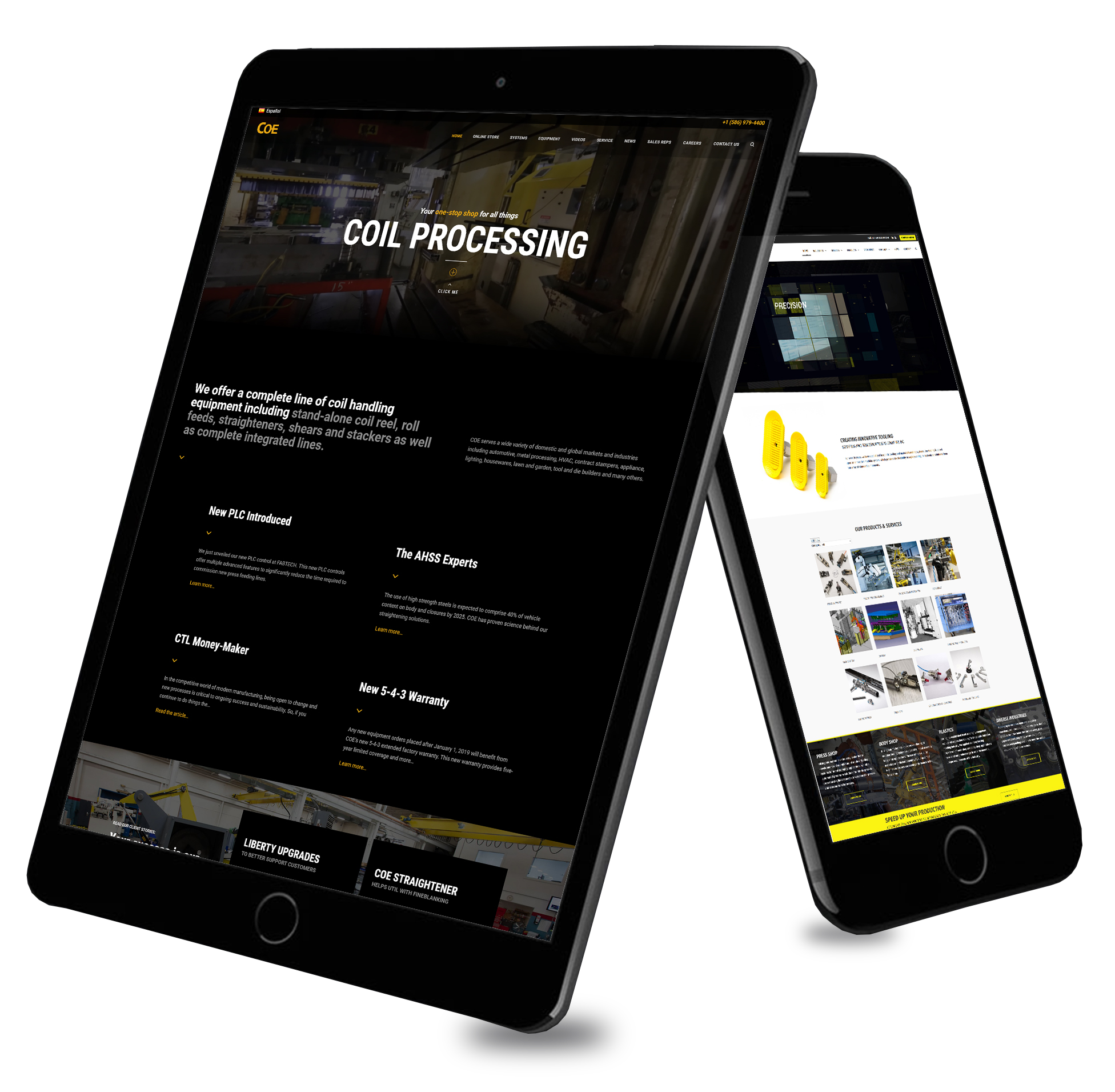
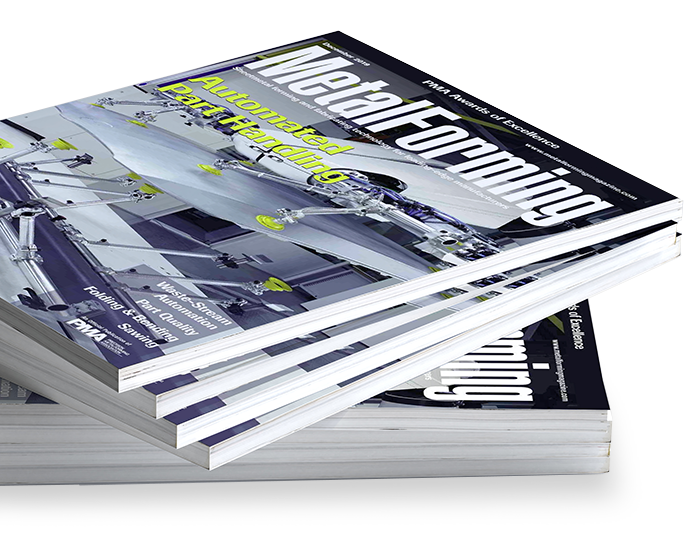
Transform your messaging
Whether you offer capital equipment, industrial software, or specialty components and services, we understand how to transform your offerings into clear communications, delivering the right message tailored to the right people across multiple industries. In doing so, we build awareness, credibility and interest in your business and products that drive more sales opportunities.
Our Wheelhouse
Since we specialize in manufacturing for specific industries, we’ve been able to hone our skills to really understand the community that makes up these industries.
Over the decades we’ve been exposed to a great deal of technology, so we catch on quickly to machine functions, processes and the value that they bring. This means less hand-holding to educate us about your products and, thus, faster results for you.
Some of the processes we understand and the industries we serve:


We are privileged to work with the industry’s best.














More about our unique process
We’ve adopted the five by five communications term from the United States military. When communicating over two radios, a station may request a report on the quality and strength of their signal. Five by five means the signal has excellent strength and perfect clarity — the most understandable signal possible. Five by five is the predecessor to the term “Loud and Clear” or “Lima/Charlie” used by military units today.
To us, 5×5 is a process we’ve refined over the past 20 years to help us craft clear messages and determine how to best broadcast the message to ensure it reaches and resonates with the right audience—loud and clear.

More about our unique process
We’ve adopted the five by five communications term from the United States military. When communicating over two radios, a station may request a report on the quality and strength of their signal. Five by five means the signal has excellent strength and perfect clarity — the most understandable signal possible. Five by five is the predecessor to the term “Loud and Clear” or “Lima/Charlie” used by military units today.
To us, 5×5 is a process we’ve refined over the past 20 years to help us craft clear messages and determine how to best broadcast the message to ensure it reaches and resonates with the right audience—loud and clear.
